
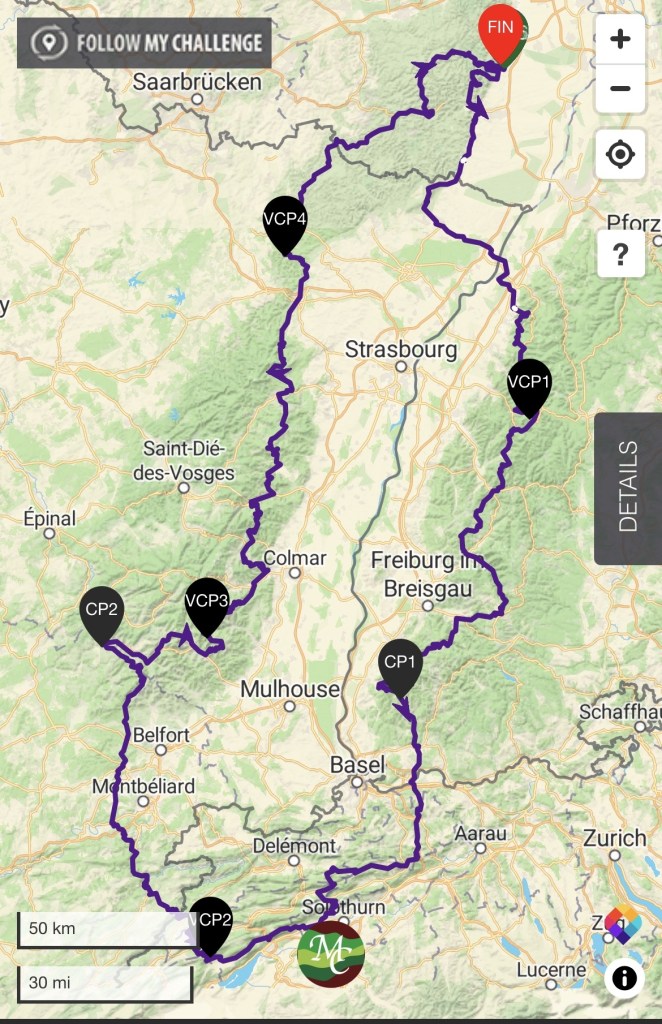
The MittelgebirgeClassique 2026 was everything I expect from ultracycling: a pretty route, tough climbs, unpredictable weather, and a battle that was as much mental as it was physical. Over roughly 1,100 km and 23,000 meters of climbing, the course crossed some of the most demanding middle-mountain regions in Germany, Switzerland, and France.
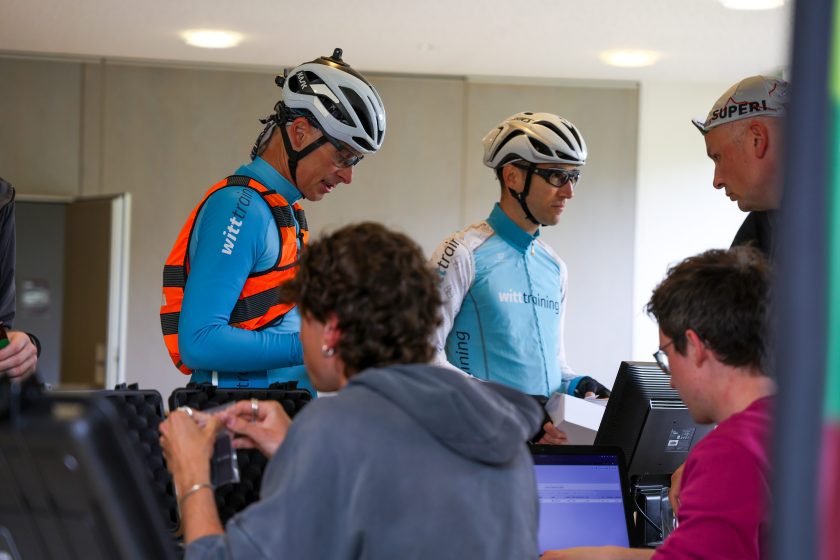
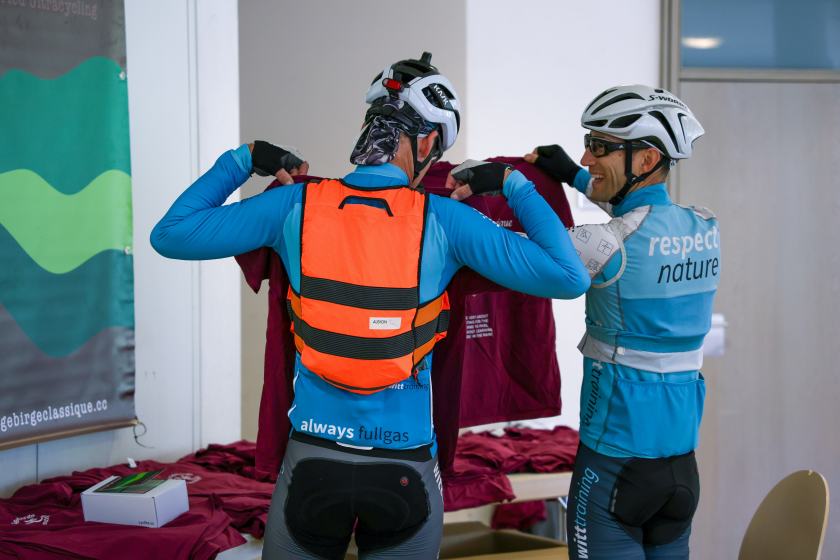
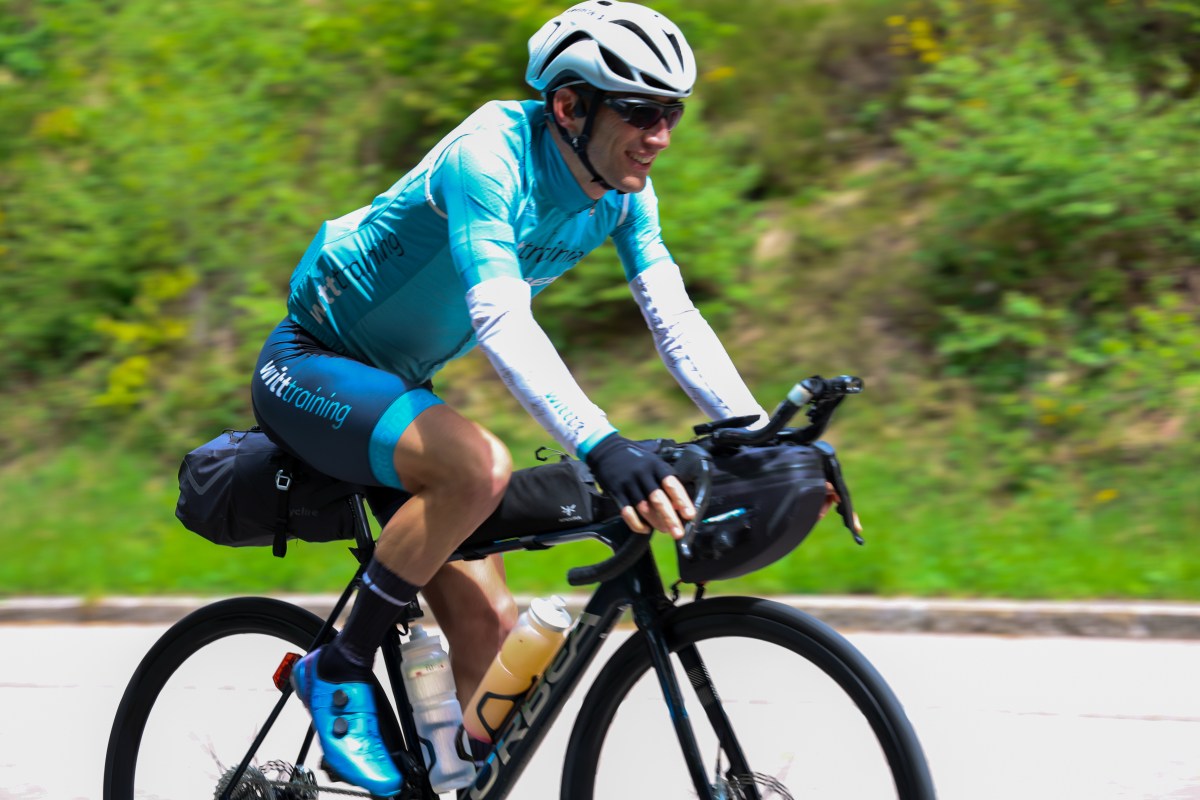
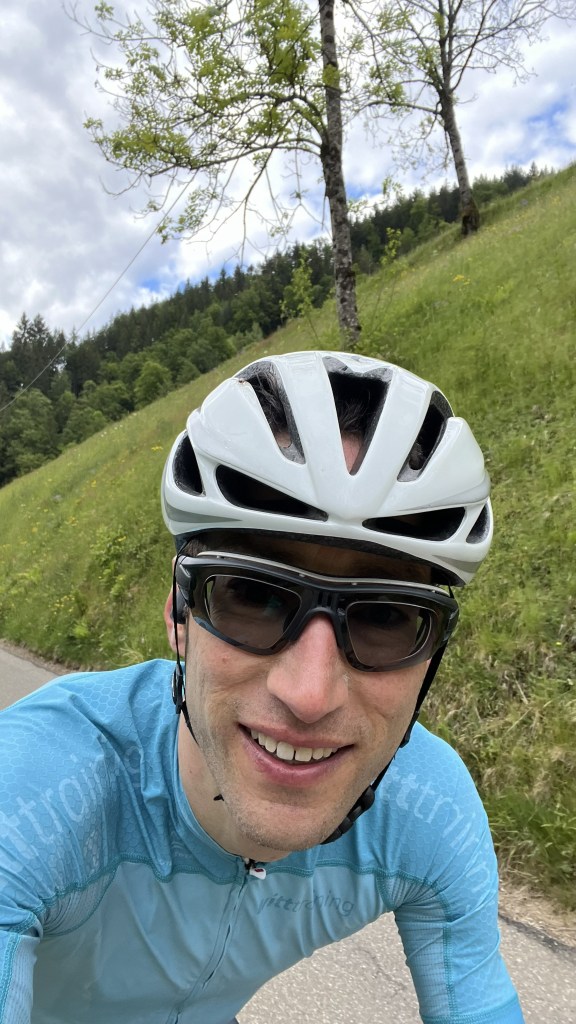
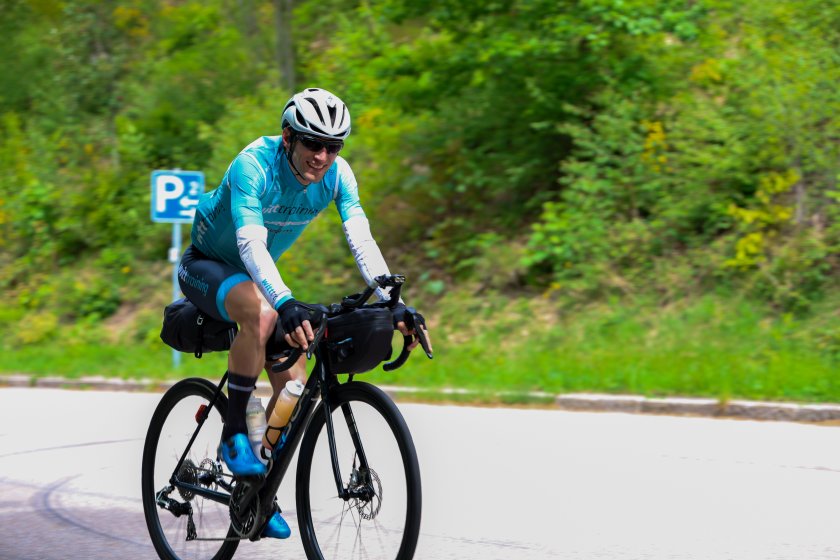
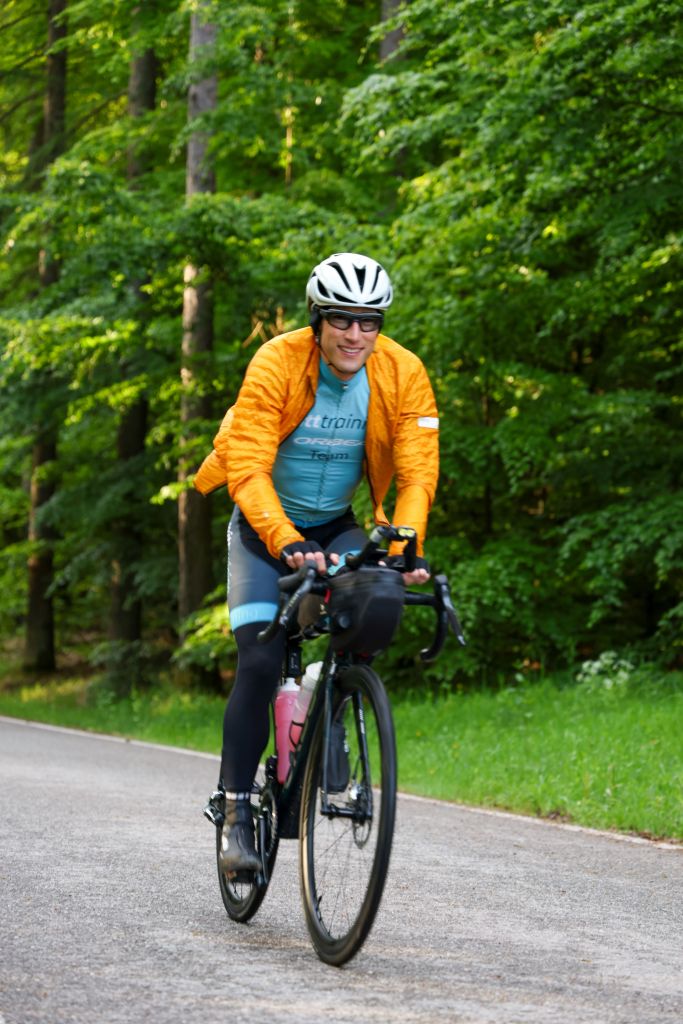
The race started early on a cold Sunday morning, and the conditions immediately made it clear that this would not be a relaxed day in the saddle. I went into the event feeling strong, and on the first day I was able to ride in top 10 with a very competitive group that already included Nils Oyen, Adam Bialek, Bruno Wicht, and Nicolas Hartmann.
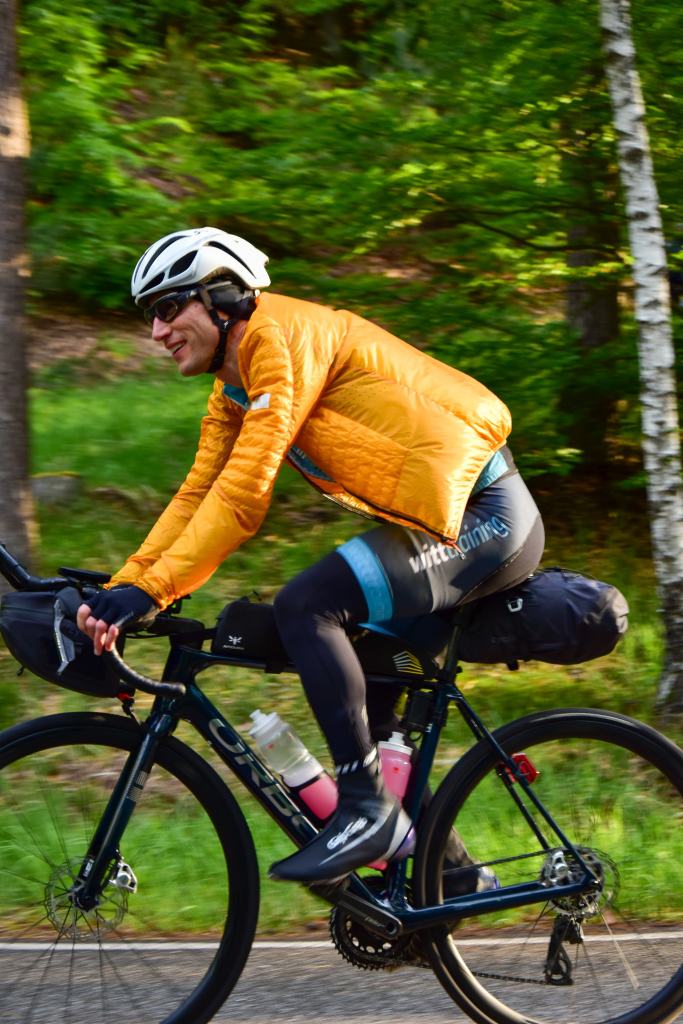
A fast opening day
The early pace was high, and several strong riders were in contention right from the start. By the end of the first day, the front group had already narrowed, and four of us — Bruno, Niels, Adam, and myself — came together again at checkpoint 1 just as the sun was setting.
What stood out there was how differently everyone managed the race. Some riders kept moving almost immediately after a quick refill, while others, including me, took the time for a proper meal and a short reset. I had warm potato soup; Niels had cheese noodles. That small difference in approach already reflected the different race strategies unfolding in the field.
The weight of preparation
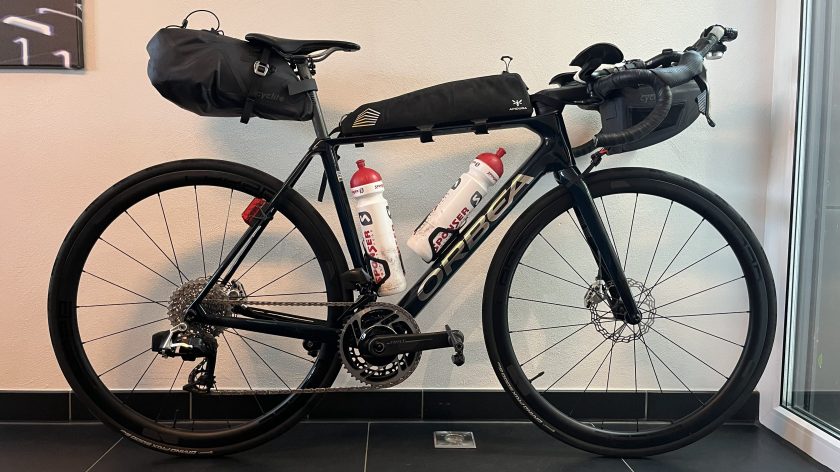
During the night, the race became much harder. The temperatures dropped sharply again, and my setup was significantly heavier than that of the others because I had packed warm clothes, rain gear, and gloves for safety and comfort. That was the right call for the conditions, but it also made the steep climbs more punishing. When the four of us came close to each other on a steep climb in the middle of the night I couldn’t follow the other guys anymore.
I had planned to ride through the first night, but fatigue became dangerous enough that I had to take a short power nap. That was not part of the original plan, yet it was the safer decision after I started nodding off on the bike. I found shelter in a small hut at a bus stop and was able to sleep for around 15min before I woke up again shivering from the cold.
Cold rain and a mental dip
The next morning brought the kind of weather that can break a race mentally as much as physically. On the climb up to Chasseral, the conditions turned brutal: rain, freezing temperatures, and just 2 degrees Celsius on top. I layered up with everything I had, but despite that, my motivation dropped hard.
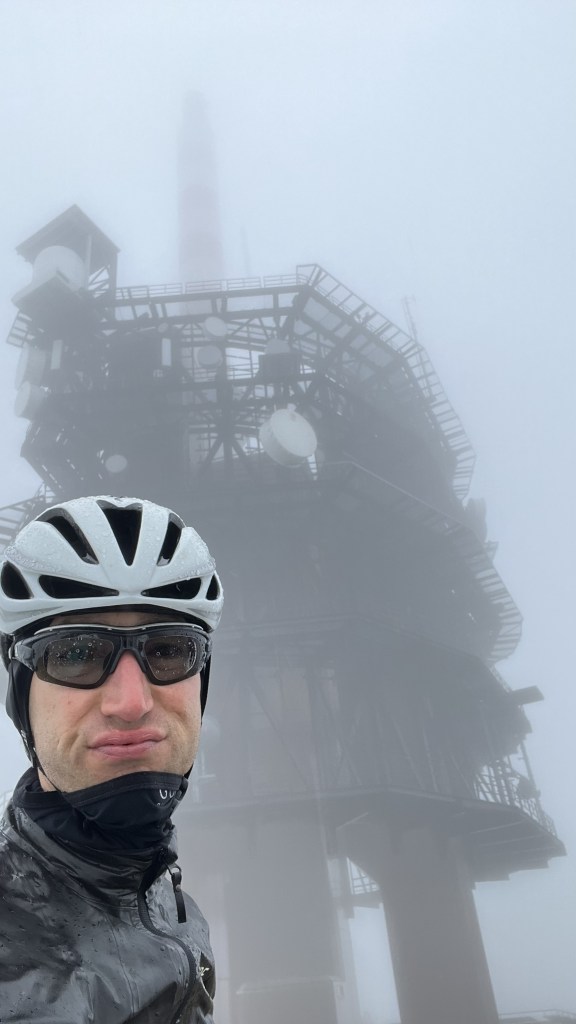
That second day became a fight against my own mindset. I took more short stops than I should have, using every excuse to pause for a jacket change, a bakery stop, or just a break from the discomfort. The gap to the riders ahead widened, and I could feel the race slipping away from me. During that period I struggled hard and even thought about scratching from the race – something I usually do not think about at all.
Reset at checkpoint 2
By the time I reached checkpoint 2 in the early evening, I knew there was a long, lonely section ahead around the Grand and Petit Ballon. Even though it was still early enough to continue, I made the choice to sleep there for 90min after I had a tasty portion of noodles. It was the safer option, and it prevented me from having to stop somewhere outside in the freezing cold later in the night for a longer break.
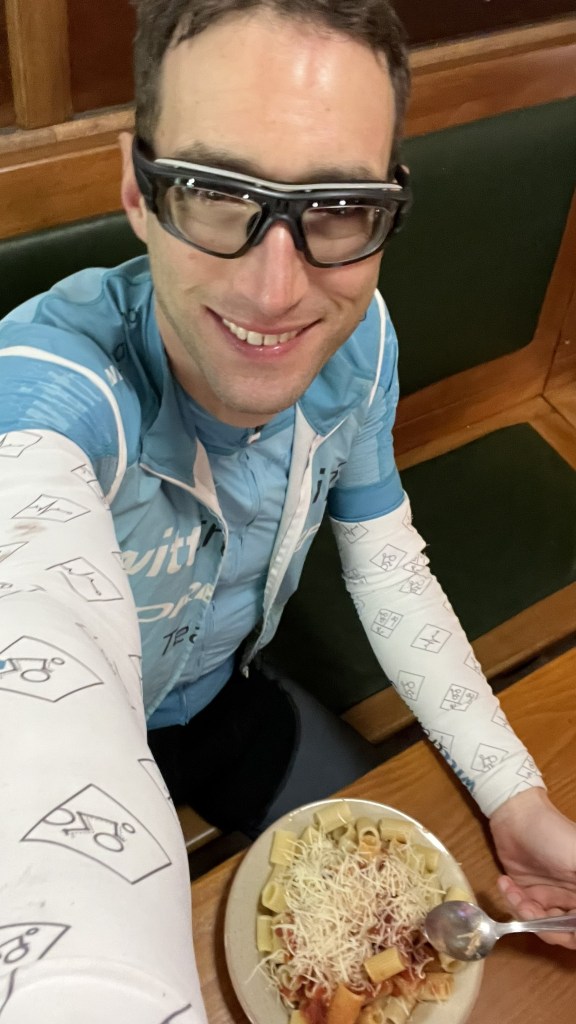
At that point, I was no longer racing aggressively. My focus had shifted from attacking to surviving the next phase in the best possible way. That is often the reality of a long ultra event: the plan changes, the body changes, and sometimes the mind changes even more.
The race comes alive again
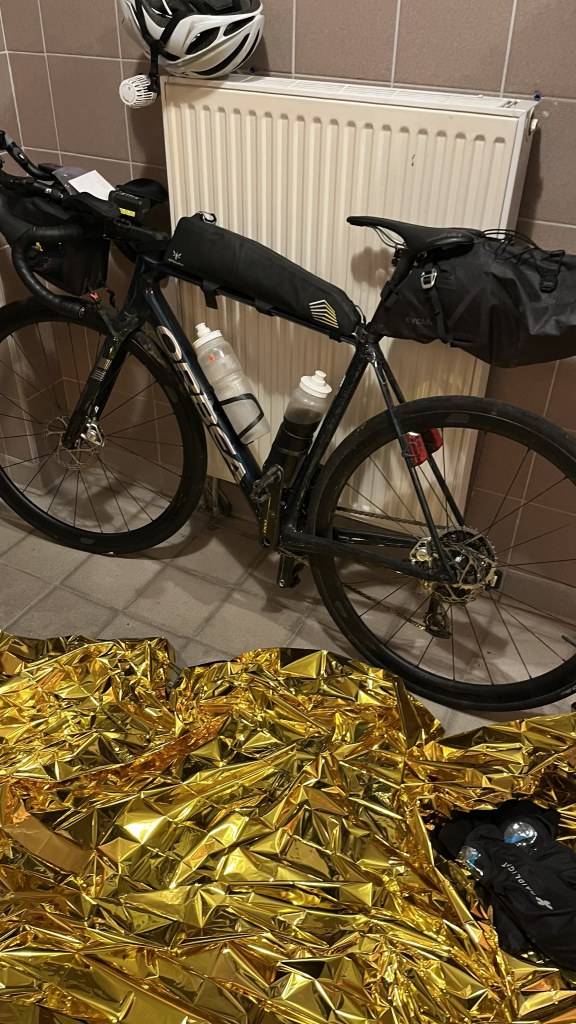
During the second night, I dropped to fifth position when Nicolas Hartmann passed me in the climb up to Petit Ballon. At the same time I believed Adam had stopped because his tracker no longer moved. That changed the perceived standings, me being in fourth position, while Nicolas moved up to third. But even though I had a proper rest at CP2, fatigue hit me again in the early morning and I took an additional power nap of 15-20min in the front room of a public toilet in a small random town on my emergency blanket. It was clean and heated – so nothing to complain about 😉
The next morning I met Nicolas again at a boulangerie around 6:00, and although it was clear we were both fighting for a position on the podium, I still wasn’t fully switched on mentally. I took a longer break while he continued, and for a while it looked like the battle for third place would slip away.
Then, something changed. As the day warmed up, my motivation finally returned, and I started chasing hard. With around 160 km to go, I caught Nicolas in a small town, had a short, friendly conversation with him, and then pushed as hard as I could to open a gap. From that point on, I was fully back in racing mode.
The final push
The last 160 kilometers were probably my strongest section of the entire race. I barely stopped, only for quick water breaks and brief necessities, and I could feel that I was finally moving the way I wanted to move. I even recorded the fastest overall split time on the final stretch.
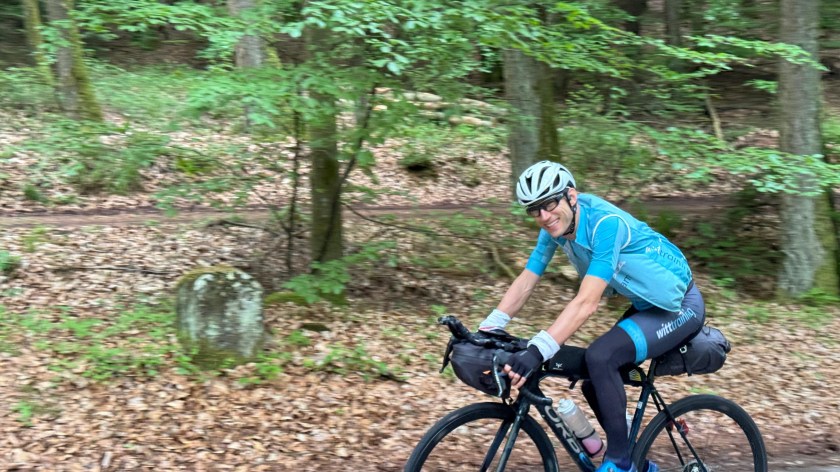
Crossing the line felt like a huge relief. After the struggles of the second day, I was genuinely happy to have fought my way back into the fight for the podium. In addition my wife Sandra was waiting for me at the finish – which was a big surprise. Thanks for welcoming me together with my coach Thorsten Witt!
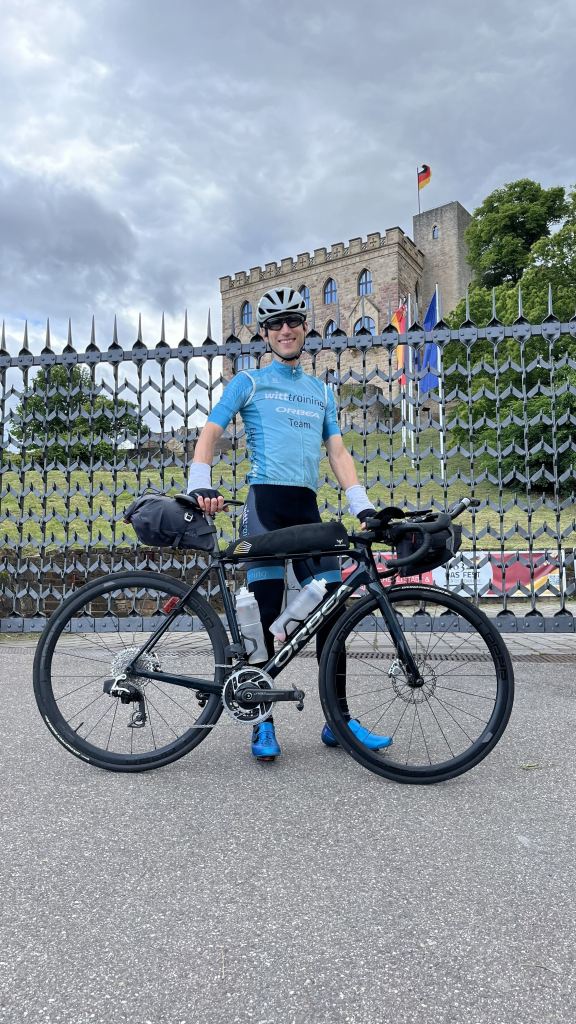
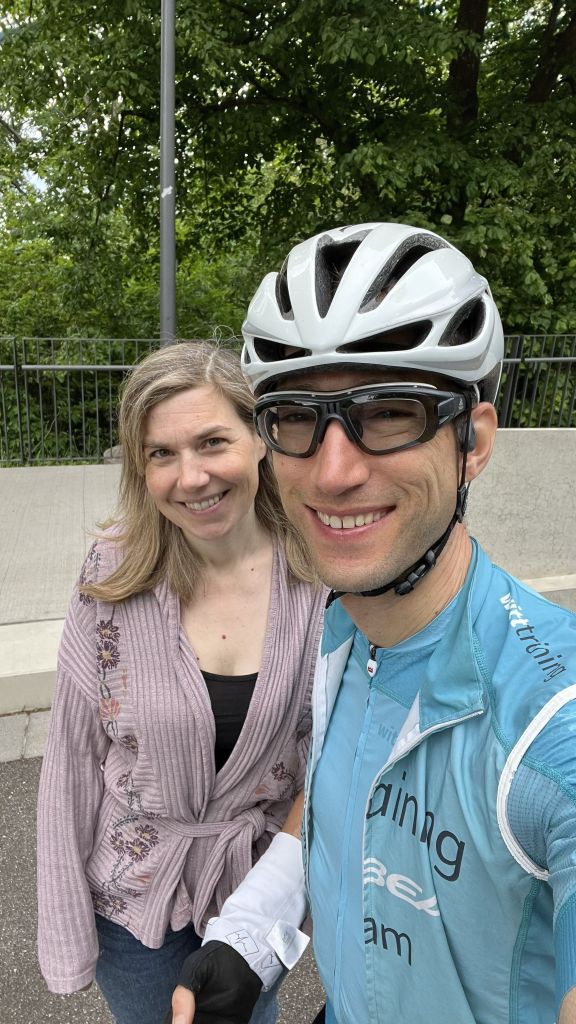
In the end, though, the final classification changed once Adam’s tracker issue was clarified: Adam was actually second behind Bruno, Niels was third, I finished fourth, and Nicolas came in fifth.
What the race taught me
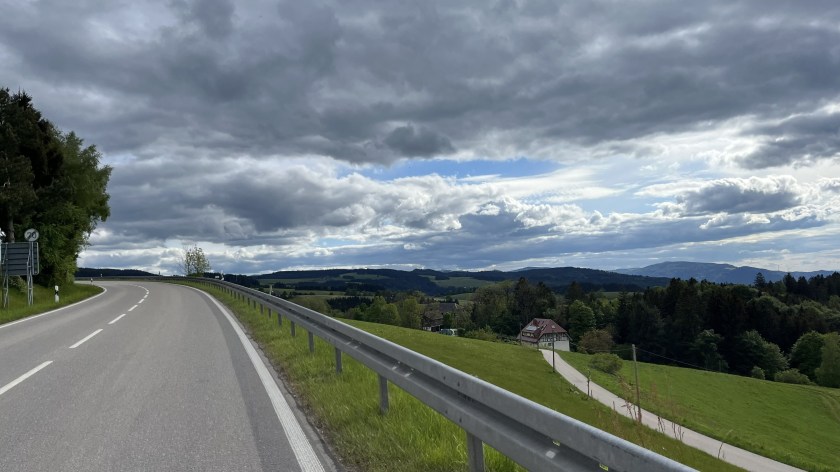
MittelgebirgeClassique was a powerful reminder that ultracycling is never won on strength alone. The route was beautiful, with lonely roads, small passes, and steep gradients that repeatedly reached 15 to 20 percent, but it also demanded the right mindset from start to finish.
I went into this race thinking my experience might make it feel manageable and maybe even easy, but ultracycling has a way of humbling you. Bad weather, fatigue, and mental drift can change everything. In that sense, this race felt like unfinished business — and exactly the kind of event I’d like to come back to.
Big respect to Bruno, Adam, and Nils for the way they managed the race in harsh conditions, and thanks to Nicolas for the battle and the extra motivation at the end. MittelgebirgeClassique is a race I can strongly recommend to anyone who enjoys steep climbing, mountain scenery, and the full ultracycling challenge on the road. And thanks to the organizers Markus Kroell, Christian Englert, Martin Waldenberger and Georg Sponholz for all your efforts that are required to plan and conduct such an event! Well done 🙂

